
Case31
●1989
Age at Initial Visit: 8 years 2month, Female / Protruding lower bite. Protruding lower jaw. Recending upper jaw. Protruding upper dentition.
Active Treatment Period: 1st Phase Treatment: 7months
2nd Phase Treatment: 2year
 extraction / Surgery
Age at Initial Visit: 8 years 2month, Female / Protruding lower bite. Protruding lower jaw. Recending upper jaw. Protruding upper dentition.
Active Treatment Period: 1st Phase Treatment: 7months
2nd Phase Treatment: 2year
extraction / Surgery
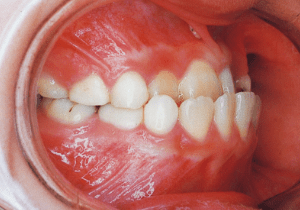
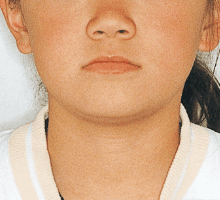
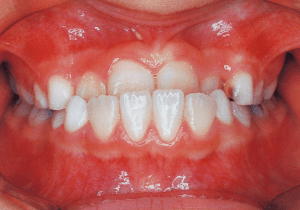
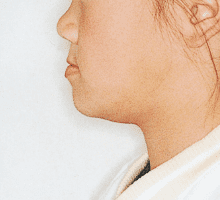
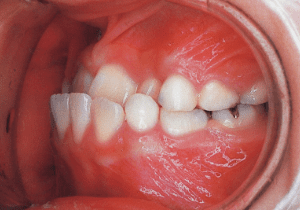
1 Initial Visit 4-10-’89
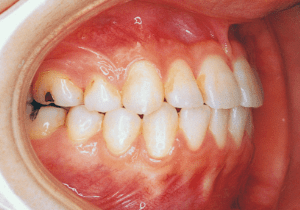
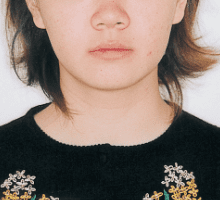
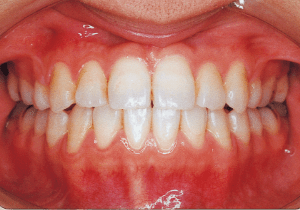
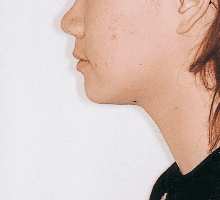
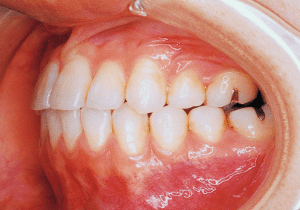
2 After Treatment 10-23-’99
Class III skeletal Protruding lower bite. Protruding lower jaw. Receding upper jaw. A case with distinctive skeletal features evident since childhood. Although skeletal disharmony was present from an early stage and the need for future surgical intervention was anticipated, treatment for the anterior crossbite was performed for a short period, taking into account the impact on occlusal function during the mixed dentition phase. About a year and a half after treatment, the protruding lower bite recurred, and subsequently, as the patient grew, the discrepancy in the anteroposterior positions of the upper and lower jaws gradually increased. We waited for the growth spurt to subside before proceeding with treatment, including surgical intervention.
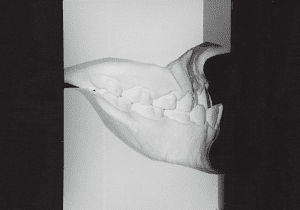
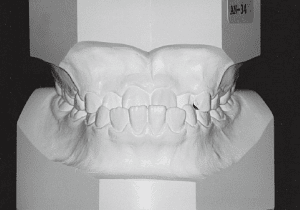
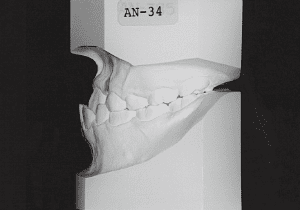
3 Initial Visit 4-10-’89
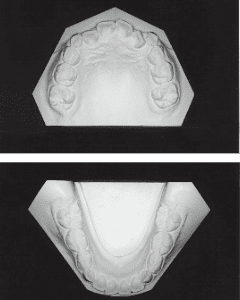
3 Initial Visit 4-10-’89
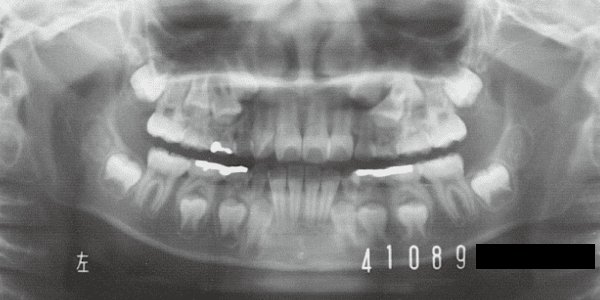
4 Initial Visit 4-10-’89
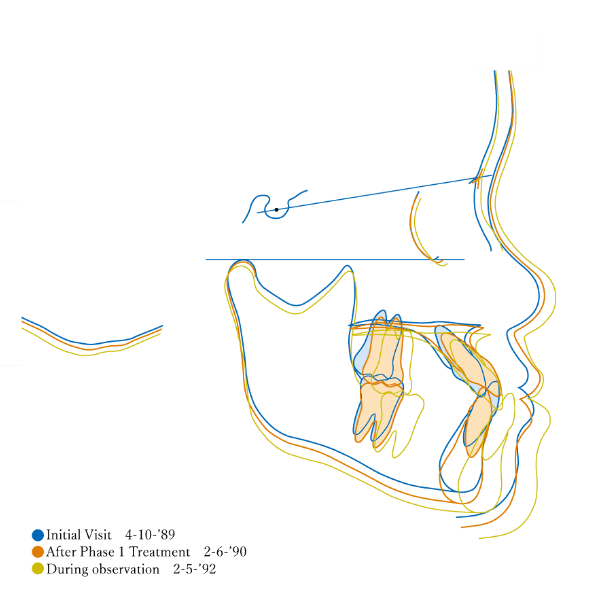
5
Based on the cephalometric X-ray, the first characteristic that stands out is the large depth relative to the anterior facial height. The lower jaw is large and powerful. In contrast, the upper jaw is underdeveloped, and although the upper front teeth are inclined labially, the overjet is negative. Overall, the midface is underdeveloped and the lower face is prominent, and it appears that the mandibular protrusion will become more pronounced as the patient grows and develops.
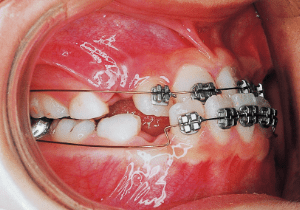
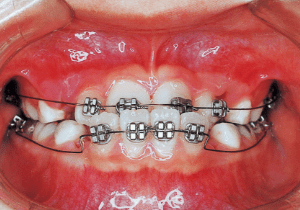
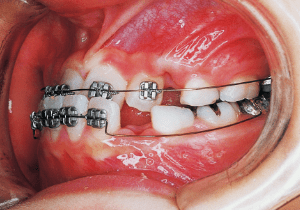
6 6-12-’89 The beginning of second phase 8 years 4 months old
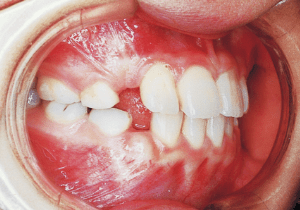
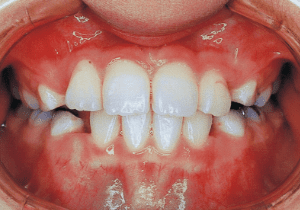
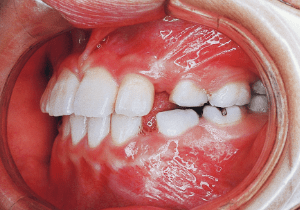
7 2-6-’90 After Phase 1 Treatment 9 years old
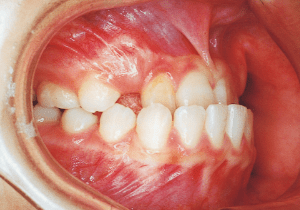
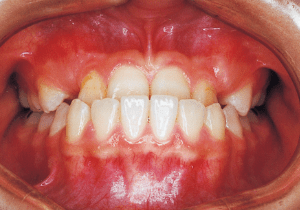
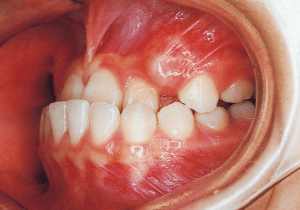
8 12-25-’91 During observation 10 years 10 months old
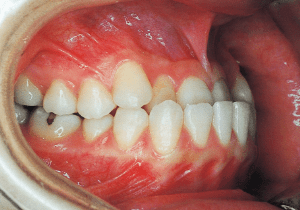
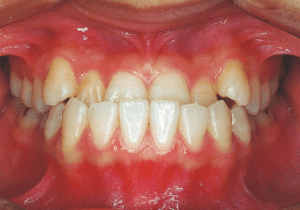
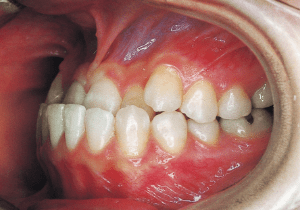
9 4-8-’95 During observation 14 years 2 months old
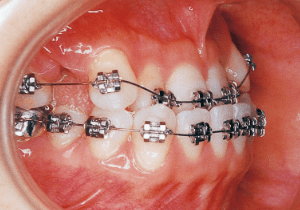
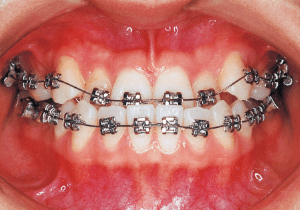
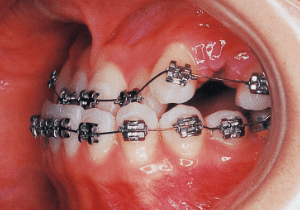
10 9-22-’97 Before second phase treatment 16 years 7 months old
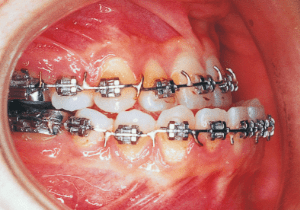
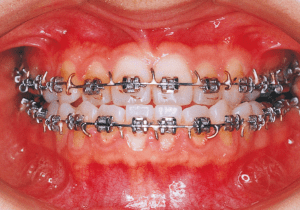
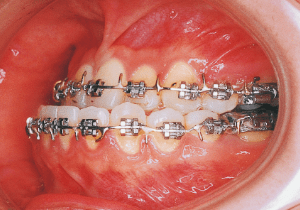
11 5-22-’99 Before surgery
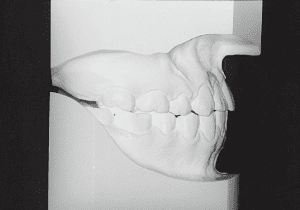
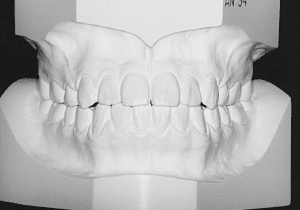
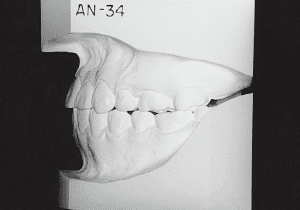
12 After Phase 2 Treatment 10-23-’99
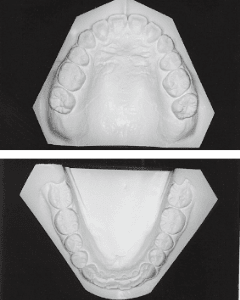
13 After Phase 2 Treatment 10-23-’99
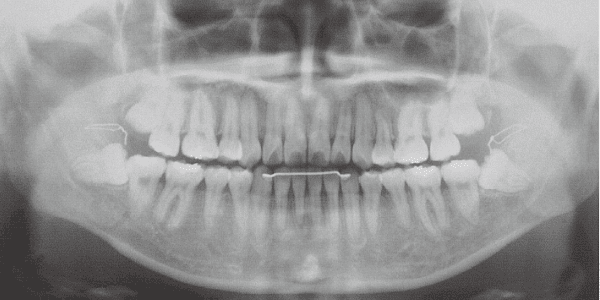
12 After Phase 2 Treatment 10-23-’99
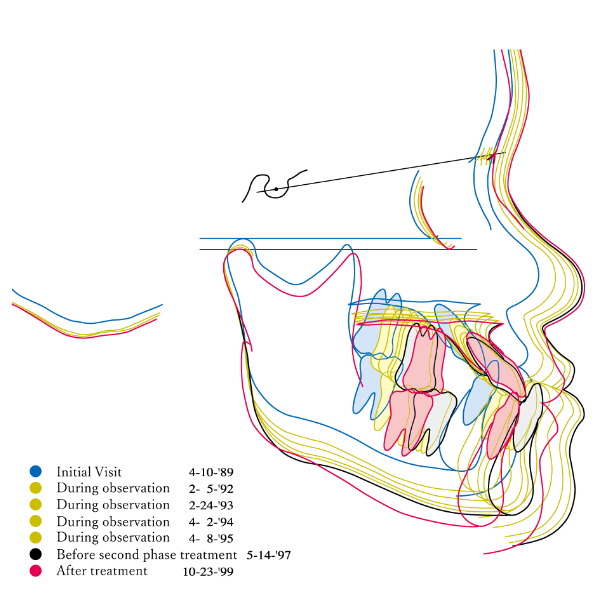
14
First phase treatment was performed, and the response was rapid; the overjet of the front teeth had improved after 8 months (7). However, the subsequent response is rapid, and by the time a year has passed, a protruding lower bite develops; the condition progresses over time until it reaches a stage where treatment with orthodontic appliances alone is no longer possible (8, 9). After planning a treatment regimen that included surgery and initiating orthodontic treatment (10), the patient underwent surgery while in the condition shown in Figure 11. The cephalometric radiographs show that the lower face has developed significantly forward (14).